Most engineers in Northern California and Northern Nevada know what an LED is. What they may not know is that one of the quiet workhorses behind that technology boom – American Bright – has been refining LED and optoelectronic solutions since 1995, long before “solid‑state lighting” was a buzzword.
 From early indicator lamps and super‑blue LEDs in the 90s to today’s UV‑C, horticulture, aircraft cabin, and mini‑LED display solutions, they have repeatedly shown up early in markets that later went mainstream.
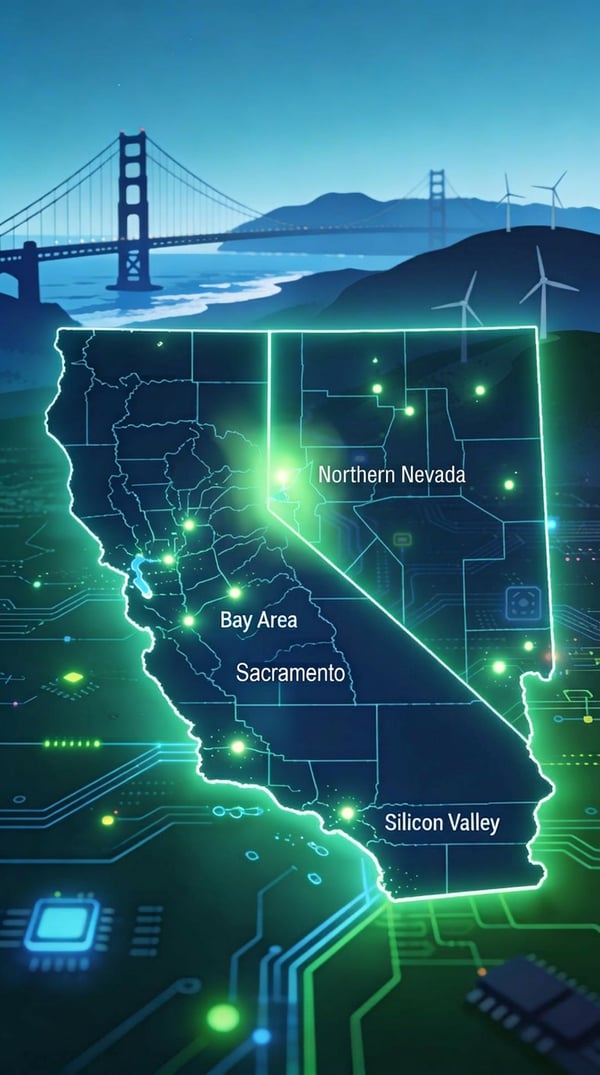
MaRCTech2 has offered the products from American Bright to the Pacific Northwest and is now bringing American Bright into Northern California and Northern Nevada, giving innovators in the region direct access to a partner that has been quietly shaping how the world uses light for three decades.
Why American Bright is different
A quick timeline tells you a lot about this company’s DNA. In 2005, they had already moved their entire portfolio to 100% RoHS‑ready products, well ahead of many competitors.
By 2006, they held ISO/TS 16949 certification, signaling they were serious about automotive‑grade quality. They expanded engineering services to include thermal management, optical integration and driver design in 2007 – long before “module‑level” expertise was common.
Over the last decade, they have consistently pushed into emerging niches:
- flexible strip and rope lighting (their rope lighting stands out!)
- ultra‑slim rope lights
- addressable RGB
- horticultural lines
- and UV‑C LEDs for disinfection and measurement.
One lesser‑known fact: their AC LED modules were designed to comply with California Title 24 years ago, giving local developers an easier path through the state’s evolving energy regulations.
For Northern California, teams wrestling with efficiency codes and sustainability goals, that matters.
A global player with serious range
American Bright is not a boutique lab; they are a vertically integrated, global LED supplier supporting major OEMs and brands across industrial, medical, automotive, consumer, signage, and architectural lighting markets.
Their portfolio spans:
- flexible chip‑on‑board strips
- IR and UV emitters
- mini‑LED display modules
- LED lighting modules and drivers
- Along with traditional indicators and SMD packages.
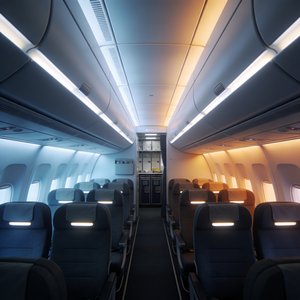 If you have flown on a newer aircraft in the last few years, there is a decent chance you have experienced American Bright technology without realizing it.
In April 2025, they were in Hamburg at the Aircraft Interiors Expo, meeting with cabin designers and OEMs to talk about next‑generation, energy‑efficient cabin lighting for airlines trying to differentiate passenger experience while cutting power consumption.
That same combination of reliability, efficiency, and creative form factors is now available to design teams from San Jose to Sacramento through MaRCTech2.
Why this matters now in Northern California
LED adoption is no longer a trend; it is the default.
 By 2030, more than three‑quarters of all installed light sources in the U.S. are projected to be LEDs.
High‑brightness LED market revenue has nearly doubled from about 15 billion dollars in 2015 to almost 29 billion by 2022.
In that environment, the differentiation shifts from “using LEDs” to “who helps you integrate them in smarter, faster and more reliable ways.”
Northern California and Northern Nevada engineers are building everything from EV chargers and robotics to medical devices and ag‑tech systems. Many of those use cases need more than a catalog part: they need thermal modeling, optical guidance, driver matching, and often custom modules that meet aggressive regulatory and lifetime requirements.
American Bright’s combination of domestic engineering in Chino, CA, and a vertically integrated manufacturing backbone means you can move from concept to fully characterized, production‑ready solutions with fewer hand‑offs and less risk.
You can call a real person: Krystal Fitzpatrick
MaRCTech2 expansion is not just a logo on a line card; it is a person in your time zone who will dive into your design challenges.
Krystal Fitzpatrick is MaRCTech2’s point person in Northern California and Northern Nevada, and her role is to translate your “wish list” – color, lumen targets, optical pattern, power budget, compliance constraints – into a concrete path with American Bright’s engineering and product teams.
Think of a situation like this:
A customer wants to redesign an existing status‑indicator scheme on a piece of industrial equipment to reduce failures in harsh environments. Krystal can walk through failure modes, then pull in American Bright options such as high‑reliability packages, sealed flexible strips, or AC modules designed for long life at elevated temperatures, along with the photometric data you need to justify the change to management. That is the kind of practical, detail‑level collaboration she is there to provide.
What to do next
If your roadmap includes anything with indication, backlighting, architectural accents, UV or IR sensing, horticulture, or specialty lighting, this is a good moment to ask, “Are we getting everything we can out of LEDs?”
With American Bright represented by MaRCTech2 in Northern California and Northern Nevada, you have a direct local route into a global LED specialist that has quietly been ahead of the curve for nearly 30 years – and you have Krystal ready to pick up the phone, join a design review, or sit down on site to map out options you might not have known existed.